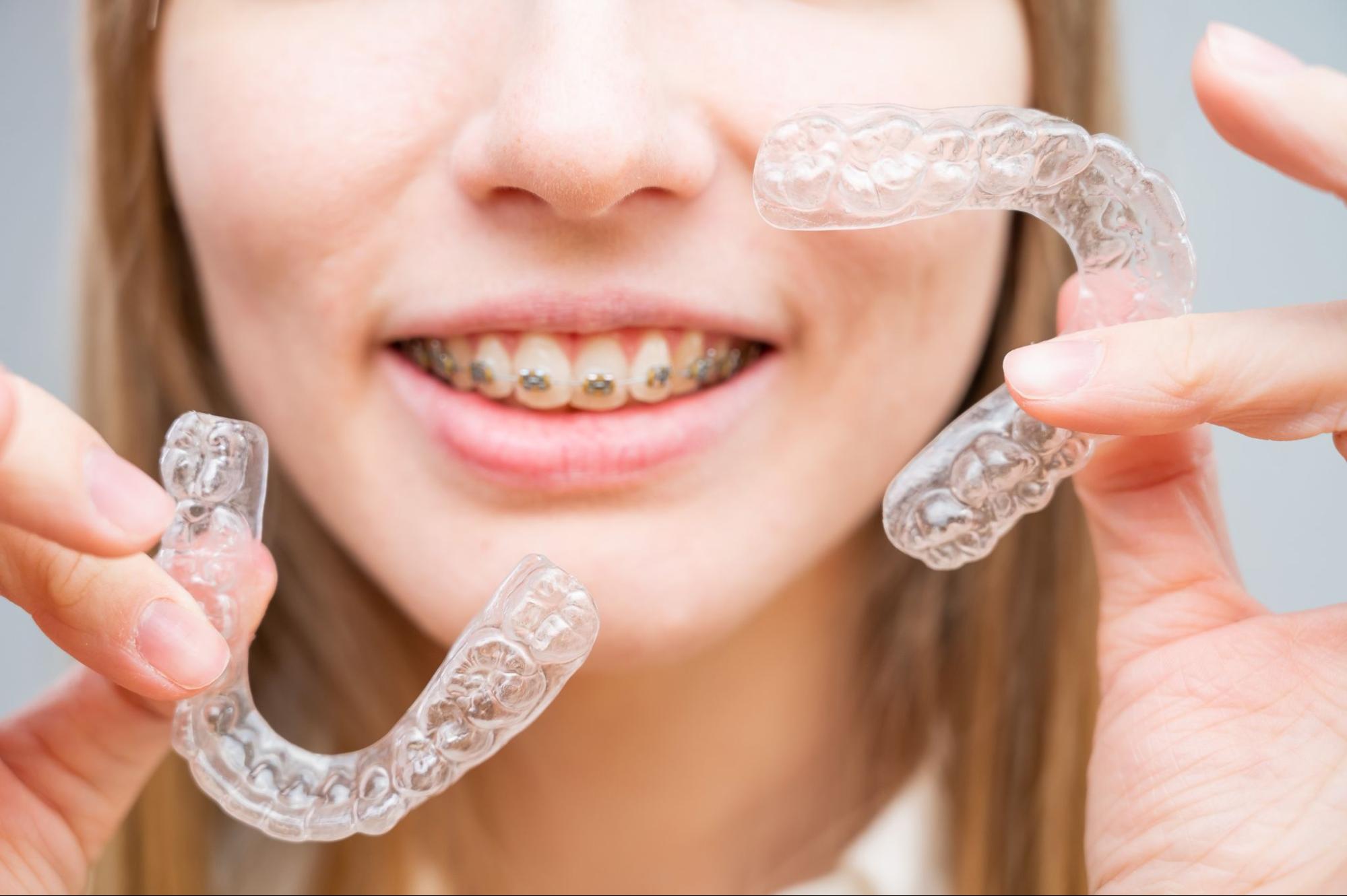
Watching your teenager grow up brings plenty of milestones, and straightening their smile is often one of them. If your teen wants a less noticeable option than metal braces, clear aligners for teenagers may be the answer. Here’s what parents should know before scheduling that first visit at Price Orthodontics.
What Is Invisalign for Teens?
Invisalign is a series of clear, custom aligners that gradually shift your teenager’s teeth into their ideal position. Each set is worn for about one to two weeks, then swapped for the next in the series, moving teeth a little at a time until treatment is complete.
The aligners are smooth, thin and nearly invisible when your teen is wearing them, which is often the biggest selling point for self-conscious middle and high schoolers.
Timing matters with a growing mouth. Dr. Cory Price is an Invisalign Provider and can tell you whether your teen’s smile is ready for aligners or if waiting a bit longer makes more sense.
How Invisalign Treatment Works for Teens
Invisalign treatment at Price Orthodontics starts with a free consultation and follows a clear, four-step path from planning to finished smile. Most treatment takes 12 to 24 months, depending on how much movement is needed and how consistently your teen wears their aligners.
Here’s how the process unfolds:
- Free consultation and digital scans. Your teen’s first visit includes an exam with Dr. Price and digital scans of their teeth. No goopy molds required.
- Custom treatment plan. Dr. Price maps out how each tooth needs to move and builds a plan around your teen’s goals.
- Aligners arrive. Your teen receives a series of custom aligners, switching to a new set every one to two weeks at home.
- Checkups every 6 to 8 weeks. Short visits let Dr. Price track progress, hand off new aligners and make any adjustments needed.
Wear time is the biggest factor in success. Teens need to wear their aligners 20 to 22 hours a day to stay on schedule. That means aligners come out only for meals, drinks other than water and brushing.
Miss too much wear time, and teeth won’t move as planned. Building good habits in the first few weeks sets the tone for the rest of treatment.
Key Benefits of Invisalign for Teenagers
Clear aligners offer real advantages for busy teens juggling school, sports and social lives. Here are the biggest reasons families choose Invisalign at Price Orthodontics.
Are Clear Aligners Really Invisible?
Aligners are hard to spot in photos, class presentations and yearbook shots. The clear, thin plastic blends in with natural tooth color, so most classmates won’t notice your teen is wearing them. That confidence boost matters during the teen years, especially for teens who are camera-shy or already self-conscious about their smile.
Can Teens Eat Their Favorite Foods with Invisalign?
Yes. Because aligners come out for meals, your teen can still enjoy popcorn at the movies, apples at lunch and pizza on game night. Compare that to metal braces, where sticky, hard and chewy foods are usually off the menu for the entire treatment. For teens with active social lives or picky preferences, this flexibility is often the deciding factor.
What Other Everyday Benefits Should Parents Know About?
A few more advantages tend to stand out for busy families:
- Easier brushing and flossing. No brackets or wires to work around means better daily hygiene. Teens can brush and floss like normal, which helps keep teeth and gums healthy through treatment.
- Safer for athletes and musicians. Aligners come out for contact sports, wrestling meets and band practice. No worrying about wires cutting the inside of the mouth after a stray elbow.
- More comfortable. Smooth plastic doesn’t rub against cheeks and lips the way metal brackets sometimes can. Most teens adjust to a new set of aligners within a day or two.
- Fewer office visits. Checkups are typically every six to eight weeks, which is easier to fit around school, work and family schedules.
For parents, the appeal often comes down to lifestyle. Invisalign fits into a teen’s world without asking them to change how they eat, play or show up at school.
Invisalign vs. Metal Braces for Teens
Not sure whether clear aligners or metal braces are the better fit? Here’s how the two options compare across the factors parents ask about most:
| Feature | Invisalign | Metal Braces |
|---|---|---|
| Appearance | Clear, nearly invisible | Visible metal brackets and wires |
| Comfort | Smooth plastic, minimal irritation | Wires can occasionally poke or rub |
| Diet | Aligners come out for meals | Avoid sticky, hard and chewy foods |
| Hygiene | Remove to brush and floss normally | Requires threading floss around wires |
| Best for | Mild to moderate cases | Mild to complex cases |
| Daily effort | Works only with 20 to 22 hours of wear a day | Fixed in place, no daily effort needed |
Both options can deliver a great smile. The right choice depends on your teen’s bite, personality and daily habits.
Invisalign works best for teens who want a discreet option and can commit to keeping their aligners in most of the day. It’s often the top pick for teens sensitive about their appearance or active in sports and performing arts.
Metal braces work well for teens with more complex bite issues or for those who might struggle with the responsibility of removable aligners. Braces are always working because they’re never taken out. Some teens split the difference with clear braces, which work like metal braces with a more subtle look. Our guide to clear braces vs. metal braces covers that choice in more detail.
Dr. Price will walk through every option with your family at the free consultation so you can decide together what fits best. Bringing questions, photos of your teen’s smile over time and a list of the activities they’re involved in can make that conversation more productive.
Is Your Teen a Good Candidate for Invisalign?
Most teens are candidates for Invisalign, but a few things make the difference between a smooth experience and a frustrating one. Use this checklist to gauge whether clear aligners might be right for your teenager:
- Most permanent teeth are in. Aligners are generally a good fit once baby teeth are mostly gone, often around age 12 and up.
- Bite issues are mild to moderate. Crowding, spacing, overbite, underbite and crossbite can all be treated with aligners in many cases.
- Your teen is responsible. Maturity matters more than exact age. Can they remember to put aligners back in after lunch and keep track of the case at school?
- Your teen has consistent daily routines. Teens who already brush regularly, keep track of belongings and follow through on tasks tend to do great with aligners.
- Aligners may not suit teens who lose or skip them. If your teen frequently misplaces things or struggles to stick to routines, metal braces may be the better choice.
- Complex cases may need braces. Severe bite issues sometimes call for traditional braces or a combined approach.
The best way to know for sure is a free consultation with Dr. Price at our Roy office. He’ll take digital scans, review your teen’s bite and give you a straight answer about whether Invisalign, metal braces or clear braces will get the best result.
Frequently Asked Questions About Invisalign for Teens
Is Invisalign worth it for teenagers?
Yes. When worn as prescribed, Invisalign can deliver results comparable to metal braces for most mild to moderate cases. Teens also get nearly invisible aligners, fewer food restrictions and easier brushing. The key is consistent wear time.
What is the 30-minute rule?
The 30-minute rule means aligners should be out of the mouth for no more than about 30 minutes per meal. Sticking to this helps your teen hit the 20 to 22 hours of daily wear time needed to keep treatment on track. Longer breaks can slow progress and push back the finish date.
Is Invisalign suitable for a 14-year-old?
Usually, yes. By 14, most teens have their permanent teeth in and are mature enough to handle removable aligners. Dr. Price evaluates each teen individually to confirm they’re a good match for treatment.
How much soreness does Invisalign cause?
Most teens feel mild pressure for a day or two after switching to a new set of aligners. After that, the aligners feel like a normal part of daily life. If soreness lingers, give our team a call.
What if my teen loses an aligner?
Call Price Orthodontics as soon as possible. Depending on where your teen is in the series, Dr. Price will let you know whether to go back to the previous aligner, move ahead to the next one or order a replacement. Acting quickly keeps treatment on schedule.